In the world of construction, safety is always a top priority. When building structures in earthquake-prone areas, it is crucial to implement a seismic bracing system to protect the building and its occupants from potential damage or collapse. These systems are designed to minimize the impact of seismic forces by providing additional support and strengthening to the structure.
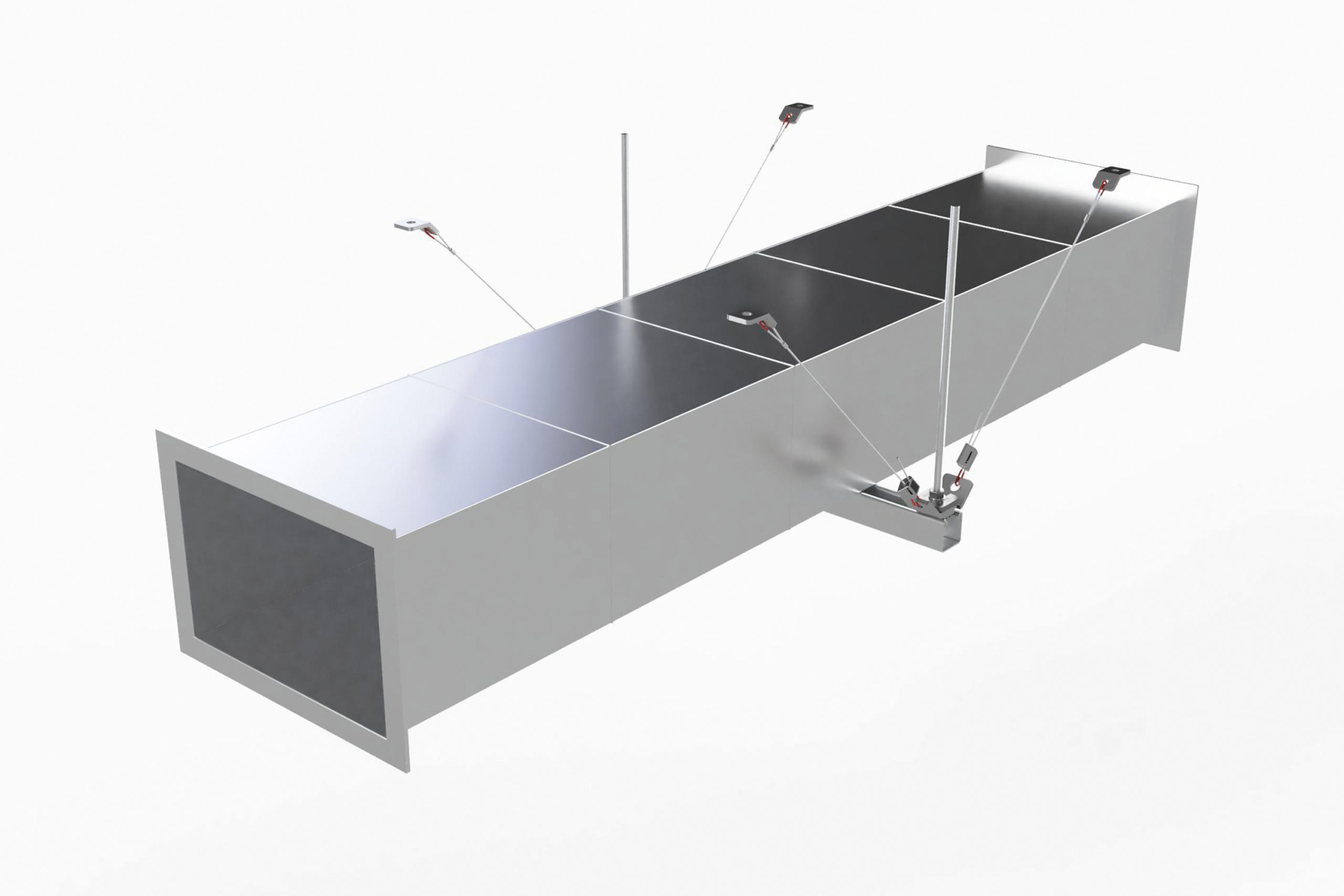
A seismic bracing system consists of various components such as braces, struts, and anchors that work together to prevent or lessen the effects of an earthquake. These systems are typically installed in high-rise buildings, bridges, and other structures that are at a higher risk of being affected by seismic activity. By incorporating these systems into the design and construction process, engineers can ensure that a building is more resilient and better equipped to withstand the forces of an earthquake.
One of the key benefits of a seismic bracing system is that it helps to dissipate the energy generated by an earthquake, thus reducing the amount of damage that can occur. Braces and struts are strategically placed throughout the structure to provide additional support and stability, helping to redistribute the seismic forces and prevent the building from collapsing. Additionally, anchors are used to secure structural elements and prevent them from shifting or falling during an earthquake.
In addition to protecting the building itself, a seismic bracing system also helps to ensure the safety of the occupants inside. By minimizing the impact of seismic forces, these systems can help to prevent injuries and fatalities that may occur during an earthquake. This is especially important in high-rise buildings and other structures where there are a large number of people present.
There are several different types of seismic bracing systems that can be used in construction, each with its own advantages and applications. One common type of system is the moment-resisting frame, which consists of beams and columns that are designed to flex and bend during an earthquake. This type of system is ideal for tall buildings and structures that are exposed to high levels of seismic activity.
Another type of seismic bracing system is the base isolation system, which involves placing the building on a series of bearings or pads that help to absorb and dissipate seismic energy. This type of system is often used in historic buildings or structures with sensitive equipment that needs to be protected from earthquake damage.
Regardless of the type of system used, it is important for engineers to carefully analyze the specific requirements of a building and its location in order to determine the most effective seismic bracing solution. Factors such as the building’s height, occupancy load, and proximity to fault lines will all play a role in determining the most appropriate system to use.
In conclusion, seismic bracing systems play a crucial role in ensuring the safety and stability of structures in earthquake-prone areas. By incorporating these systems into the design and construction process, engineers can help to protect buildings and their occupants from the potentially devastating effects of seismic activity. As technology continues to advance, we can expect to see even more innovative and effective seismic bracing systems being developed to further enhance the safety and resilience of our built environment.